|

|

What Is Jerk Sauce?

A Guide to Jamaica’s Famous Flavour
There are some flavours you recognise almost immediately. Jamaican jerk is one of them. Fragrant herbs, warming spices, the unmistakable character of pimento and the fruity fire of Scotch Bonnet chilli come together to create something far more complex than simply “hot food”. Jerk sauce is a Jamaican-style sauce or marinade built around herbs, spices, aromatics and chilli. While recipes differ from cook to cook and family to family, Scotch Bonnet pepper and pimento — also known as allspice — are two of the ingredients most closely associated with traditional Jamaican jerk. It can be fiery. It can be smoky. It can be slightly sweet, deeply savoury and intensely aromatic. But good jerk should never be about heat alone. That’s where the story gets interesting.

READING TIME

8 Minutes

What Exactly Is Jerk Sauce?

A Guide to Jamaica’s Famous Flavour

There are some flavours you recognise almost immediately. Jamaican jerk is one of them.

Fragrant herbs, warming spices, the unmistakable character of pimento and the fruity fire of Scotch Bonnet chilli come together to create something far more complex than simply “hot food”.

Jerk sauce is a Jamaican-style sauce or marinade built around herbs, spices, aromatics and chilli. While recipes differ from cook to cook and family to family, Scotch Bonnet pepper and pimento — also known as allspice — are two of the ingredients most closely associated with traditional Jamaican jerk.

It can be fiery. It can be smoky. It can be slightly sweet, deeply savoury and intensely aromatic.

But good jerk should never be about heat alone.

That’s where the story gets interesting.


What Exactly Is Jerk Sauce?

What Exactly Is Jerk Sauce?Where Does Jerk Come From?

Jerk belongs to Jamaica.

Its history, however, is deeper than simply a recipe appearing one day.

Jamaican sources describe jerk as an enduring result of the meeting of African and Indigenous Taíno culinary traditions, with the Maroons playing a particularly important role in the development and continuation of jerk cooking. Visit Jamaica describes jerk both as a cooking method and a combination of spices associated with Jamaica’s Maroon communities.

The Maroons established independent communities in Jamaica’s mountainous interior after resisting enslavement and colonial control. UNESCO recognises the cultural heritage of Jamaica’s Maroon communities, including Moore Town in the country’s eastern highlands.

Over generations, jerk developed into one of Jamaica’s most internationally recognisable food traditions.

Today you will find jerk chicken around the world, but jerk isn’t limited to chicken — and it certainly isn’t simply another name for spicy chicken.

Traditionally, jerk is as much about seasoning and cooking technique as it is about the finished sauce.


Jerk Is About More Than Heat

Ask someone who has never eaten jerk what they expect and there’s a good chance they’ll say:

“Hot.”

They’re not completely wrong.

Scotch Bonnet chilli can give jerk serious fire.

But concentrating only on the chilli misses much of what makes jerk so distinctive.

A good jerk flavour can be:

  • Spicy — from Scotch Bonnet and other seasonings.
  • Aromatic — from herbs, pimento and spices.
  • Savoury — from ingredients such as onion, garlic and scallion.
  • Warm and earthy — particularly from pimento and complementary spices.
  • Fresh — thanks to herbs including thyme.
  • Smoky — particularly when food is prepared using traditional jerk cooking methods.

Traditional Jamaican jerk cooking is strongly associated with smoke and pimento wood, which contributes another dimension to the finished food.

This is why simply making something extremely hot doesn’t automatically make it jerk.

Heat should be part of the flavour — not a replacement for it.


What Ingredients Give Jerk Sauce Its Flavour?

Every jerk recipe has its own personality, but several ingredients appear again and again.

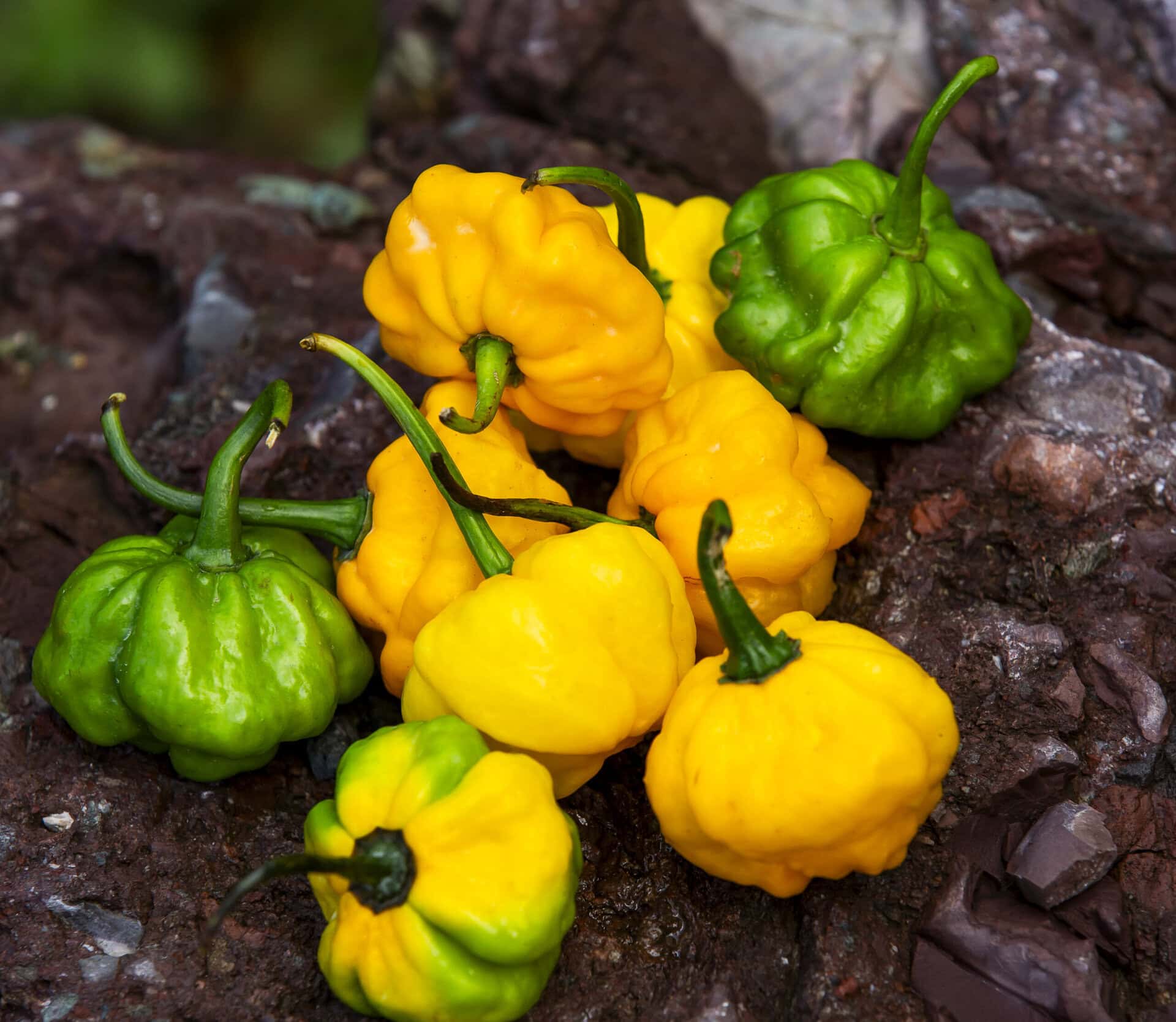
Scotch Bonnet Chilli

Scotch Bonnet is one of the ingredients most closely associated with Jamaican and wider Caribbean cooking.

It brings considerable heat, but its appeal isn’t just its strength. Scotch Bonnet has a distinctive aromatic and fruity character, which means it contributes flavour as well as fire.

For jerk, that’s important.

The chilli isn’t merely there to test how much heat you can tolerate. It forms part of the overall flavour.

Pimento

If Scotch Bonnet brings the fire, pimento brings much of jerk’s unmistakable warm character.

Outside Jamaica, pimento is commonly known as allspice.

Despite the name “allspice”, it isn’t a mixture of different spices. It is a spice in its own right.

Pimento is central to Jamaican jerk, both as a seasoning and through the traditional use of pimento wood in jerk cooking. Jamaica’s tourism authority describes pimento alongside Scotch Bonnet, thyme and other aromatics as a core part of jerk’s characteristic flavour.

Thyme

Thyme contributes the herbal fragrance running through many Jamaican dishes.

Against the heat of Scotch Bonnet and the warmth of pimento, thyme helps create another layer rather than allowing one flavour to dominate everything else.

Scallion

Scallion — what many people in Britain would call spring onion — contributes freshness and savoury depth.

It’s another ingredient regularly found in Jamaican jerk preparations.

Garlic and Onion

Garlic and onion help create the savoury foundation of the sauce.

They may not receive the attention given to Scotch Bonnet, but remove all those supporting flavours and you’ll notice the difference.

Spices and Seasonings

Depending on who is making the jerk, you might also encounter ginger, cloves, nutmeg or other seasonings.

And that’s something worth remembering:

Jerk isn’t supposed to taste identical everywhere you go.

Recipes evolve through families, kitchens, restaurants, communities and generations.


What Does Jerk Sauce Taste Like?

The easiest answer would be:

Spicy.

But that’s not a very good answer.

Jerk sauce should have several flavours arriving at once.

You may first notice its fragrance. Then the savoury herbs and seasonings. Then pimento’s warm spice. The Scotch Bonnet follows with its characteristic fruitiness and heat.

Depending on the recipe, there may also be sweetness, acidity or deeper earthy notes.

The best way to think about jerk sauce is:

layered rather than one-dimensional.

That’s also why jerk works with so many different foods.


Is Jerk Sauce Always Very Hot?

No.

And this is one of the biggest misconceptions about jerk.

Scotch Bonnet is strongly associated with traditional jerk, but the amount used can change considerably.

A cook can therefore create a jerk flavour with a relatively manageable level of heat or something considerably more formidable.

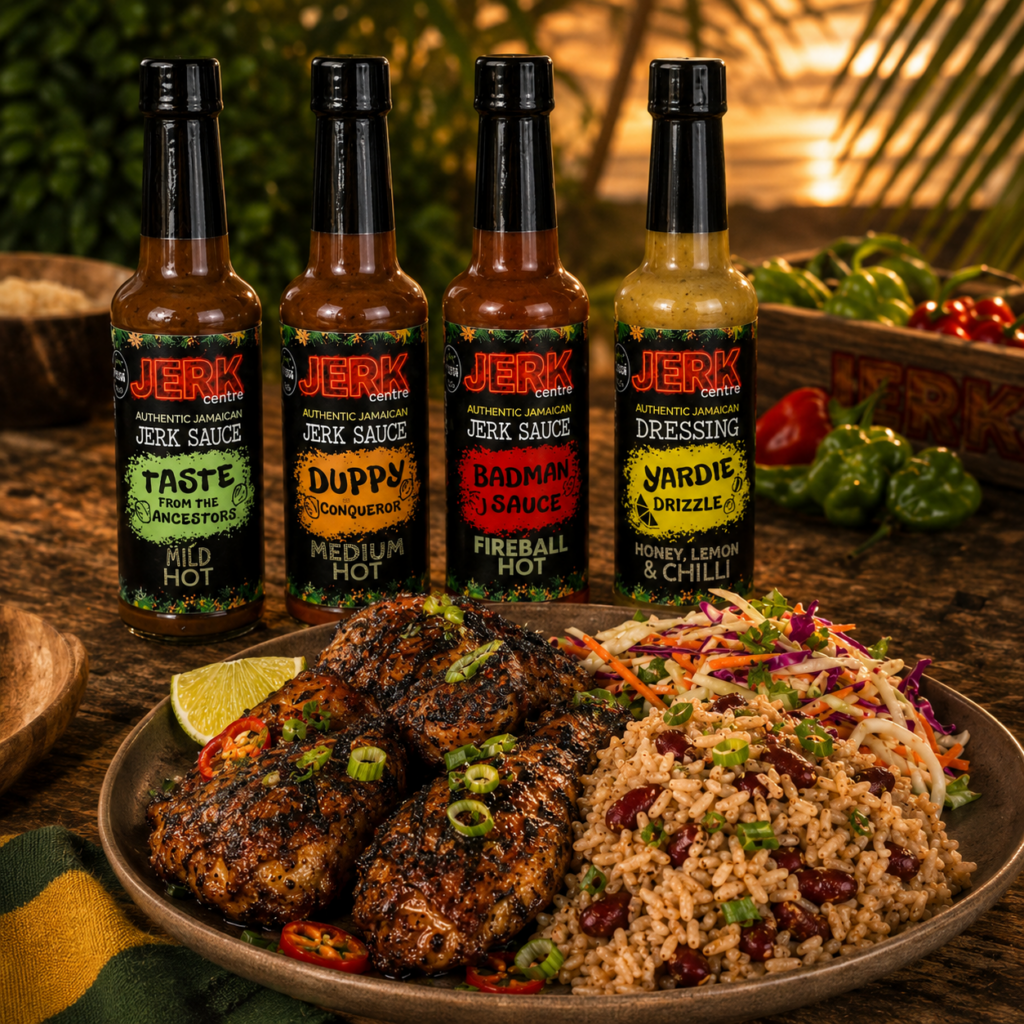
At Jerk Centre, we particularly like demonstrating that distinction through different heat levels.

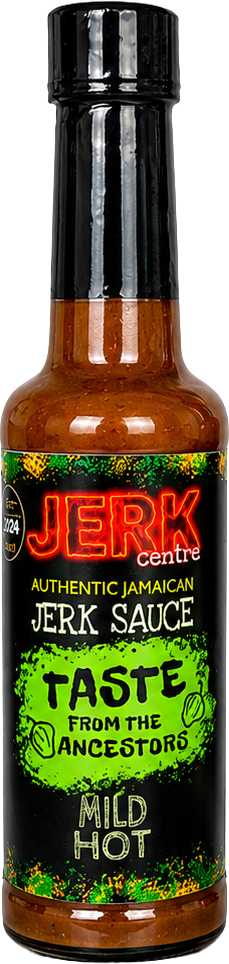
Taste From the Ancestors – Mild Hot
For those who want the character and seasoning of jerk with a gentler introduction to the heat.

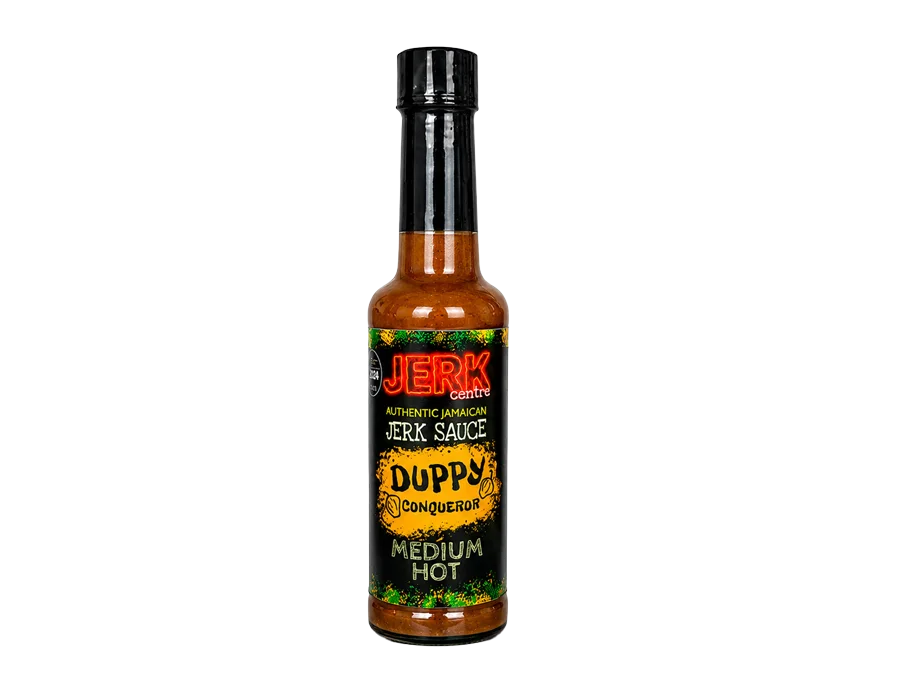
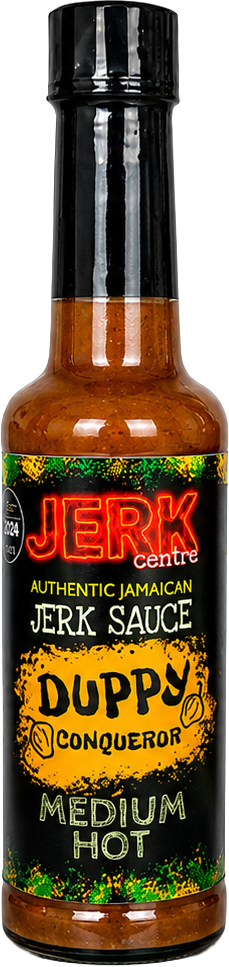
Duppy Conqueror – Medium Hot
For people who want the Scotch Bonnet to make itself more clearly known.

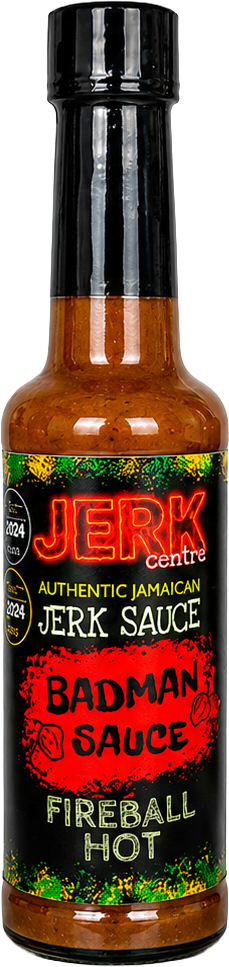
Badman Sauce – Fireball Hot
For committed chilli lovers who want considerably more fire.

Different heat. Same important principle:

Flavour still matters.


Is Jerk Sauce the Same as Hot Sauce?

Not really.

There is certainly some crossover. Jerk sauce can contain plenty of chilli and can absolutely deliver the heat people associate with hot sauce.

But jerk usually has a much broader seasoning profile.

A straightforward hot sauce might principally revolve around chilli, acidity, salt and perhaps a few additional ingredients.

Jerk brings a larger family of flavours together — Scotch Bonnet, pimento, herbs, onion, garlic and other seasonings.

So while jerk sauce can be hot sauce, describing jerk as just hot sauce doesn’t really do it justice.

Think:

Hot sauce: heat can be the main event.

Jerk sauce: heat is one member of the band.

And Scotch Bonnet might be playing lead guitar.


Jerk Sauce vs Jerk Seasoning: What’s the Difference?

You’ll often see the words jerk sauce, jerk marinade, jerk paste and jerk seasoning used alongside one another.

There can be overlap between them.

Generally, a jerk seasoning may refer to a dry mixture of herbs and spices.

A jerk sauce, paste or wet seasoning contains liquid or fresh ingredients and has a wet consistency that can be rubbed or worked into food.

A jerk sauce can also be versatile enough to use in different ways depending on how it has been formulated.

The important thing isn’t simply what appears on the front of the bottle.

It’s the flavour inside it.


Can You Use Jerk Sauce as a Marinade?

Yes — many jerk sauces and wet jerk seasonings are well suited to marinating.

This is one of jerk’s natural uses because allowing the seasoning time to sit with meat, fish or vegetables helps those flavours work their way into the food before cooking.

Jerk is traditionally associated particularly strongly with pork and chicken, although modern Jamaican jerk menus encompass seafood and other foods too. Visit Jamaica highlights jerk preparations using chicken, pork, lobster and fish.

Depending on the sauce, it can also be used during cooking, for glazing or as a finishing sauce.

Always follow the instructions for the particular product you’re using, especially where a sauce has been in contact with raw meat.


What Can You Eat Jerk Sauce With?

This is where things become fun.

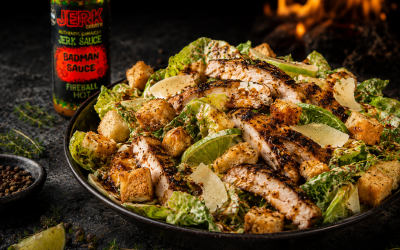
Chicken

The obvious one — and for very good reason.

Chicken takes jerk seasoning beautifully, particularly when given time to marinate before grilling, roasting or barbecuing.

Pork

Pork has a long association with Jamaican jerk and works exceptionally well with strong seasoning.

Beef

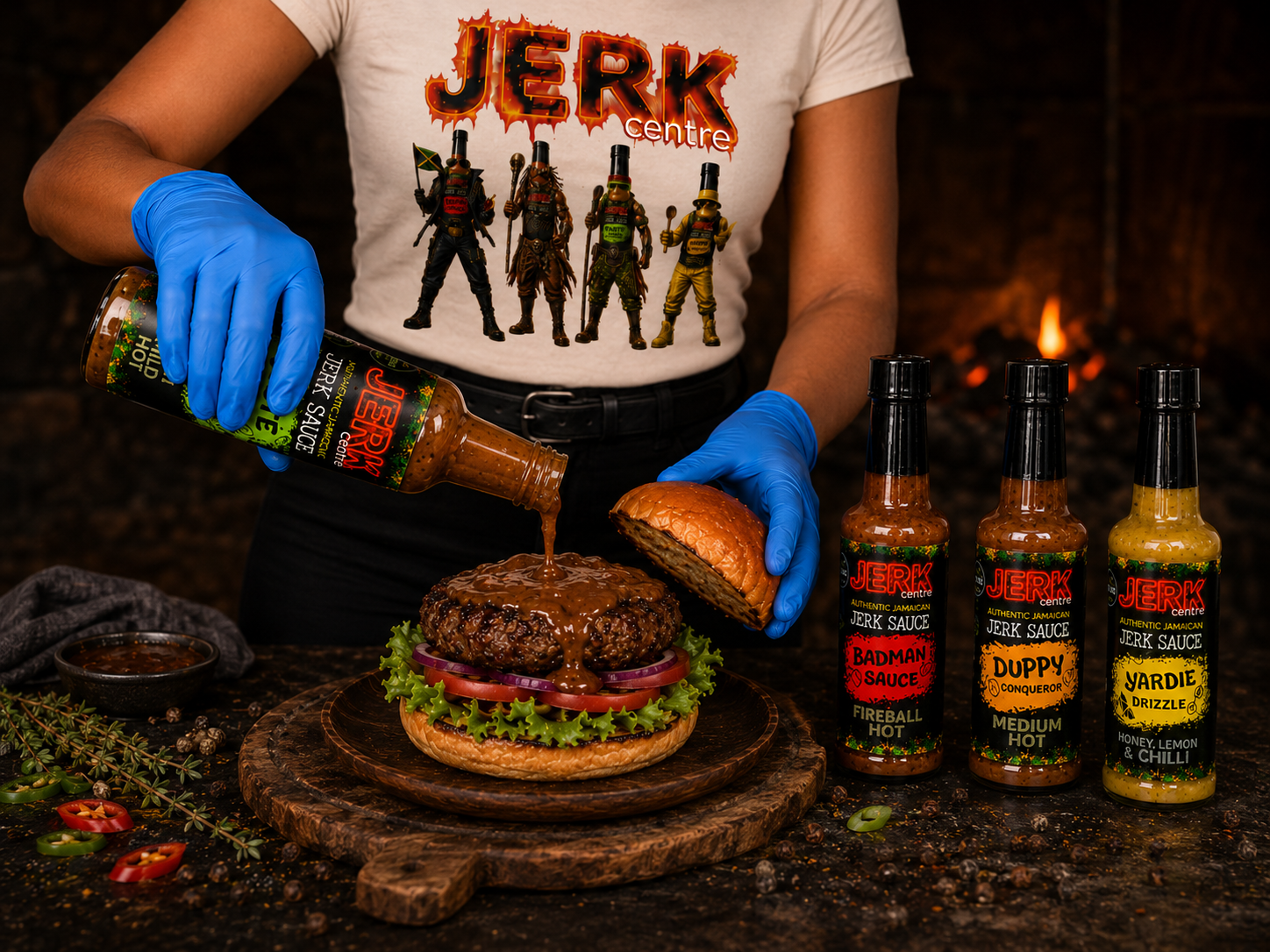
Jerk can bring a completely different personality to burgers, steak and other beef dishes.

Fish

The herbs, Scotch Bonnet and aromatics in jerk can work brilliantly with fish.

Prawns and Seafood

Seafood doesn’t necessarily require hours of marinating to pick up plenty of flavour, making it perfect for quick jerk-inspired dishes.

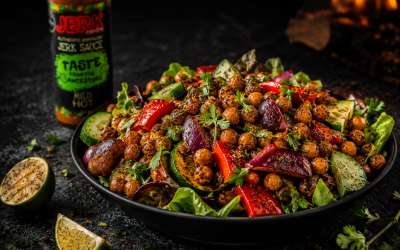
Vegetables

Jerk absolutely does not have to revolve around meat.

Try it with roasted vegetables, cauliflower, sweet potato, corn, peppers or vegetable skewers.

Burgers

A little jerk flavour can completely change an ordinary burger.

Pasta

Jerk pasta has become a hugely popular way of combining Caribbean flavour with a creamy or tomato-based pasta dish.

And these are only the beginning.

Once you stop thinking of jerk as something reserved exclusively for jerk chicken, a much bigger world opens up.


So, What Makes a Great Jerk Sauce?

There isn’t a single answer.

Heat preferences differ.

Some people want a sauce that immediately makes their forehead glow.

Others want just enough warmth to notice the chilli without having to reach urgently for a drink.

But whatever the heat level, we think the important question should always be:

Does it taste good?

A great jerk sauce should give you more to discover than chilli alone.

You should be able to experience the herbs.

  • The spices.
  • The aromatics.
  • The warmth of the pimento.
  • The unmistakable Scotch Bonnet.

And that wonderful moment when they all come together.

From Elka at Jerk Centre

For us at Jerk Centre, jerk has always been about flavour first. We love chilli, but simply making something hotter and hotter isn’t what jerk means to us. It’s the combination that matters — the aroma when the food starts cooking, the herbs and spices coming through, and then that Scotch Bonnet warmth behind everything else. Those are the flavours that make you want another mouthful. Jerk is something to enjoy, share and cook with. And whether you like your jerk relatively gentle or seriously hot, we believe the flavour should always have the final word.
Scroll to Top